The best places to learn about the history of the Canary Islands
Museum and Archaeological Park Cueva Pintada
Gáldar, Gran Canaria
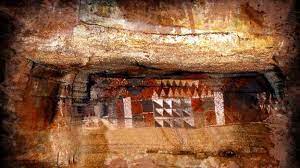
It is one of the most important aboriginal archaeological sites in the Canary Islands. It was buried under a banana plantation for many years until a researcher named José Ramos Orihuela accessed it through a narrow gap.
In this museum, you can visit reconstructions of aboriginal homes, as well as the famous cave where the inhabitants of this village made paintings that still last to this day.
Canary Museum
Las Palmas de Gran Canaria, Gran Canaria
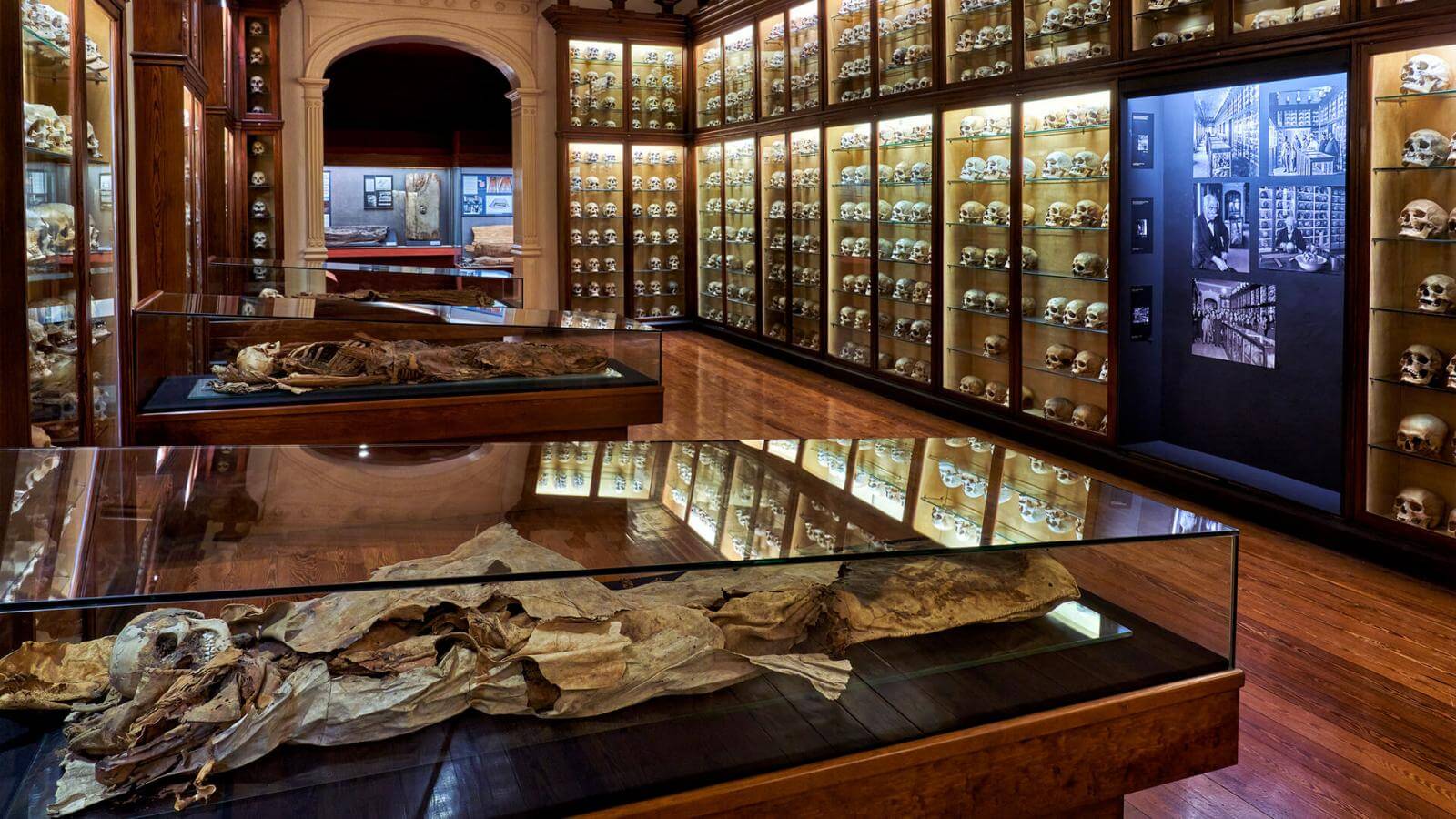
The Canary Museum contains a large collection on the history of the entire archipelago spread across its eleven rooms. The archaeological discoveries that have been made on the island over time are within the reach of any visitor curious about the past of the Canary Islands.
Additionally, its collection of mummies and aboriginal skeletons is one of the most photographed: when looking at its display cases, you get the feeling of entering a scientist's studio from a past era.
Museum of Nature and Man
Santa Cruz de Tenerife, Tenerife
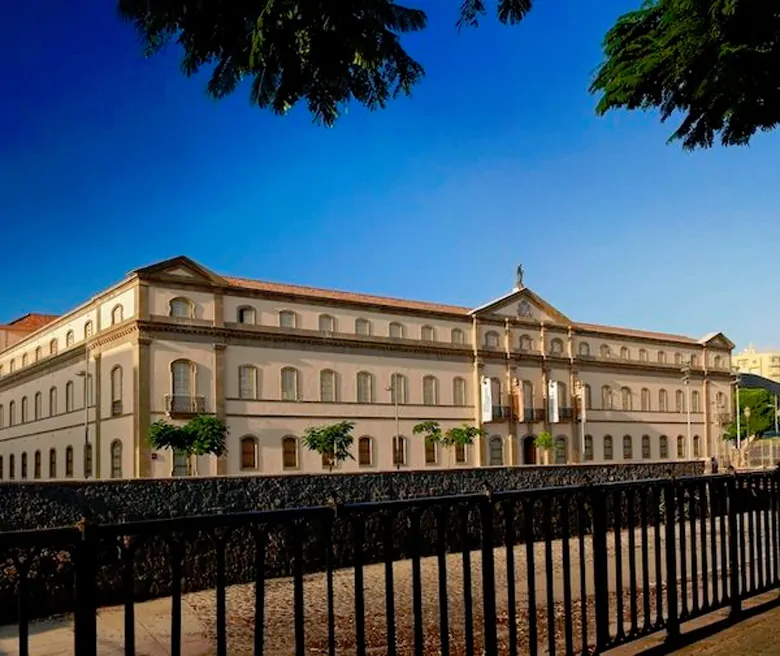
The Museum of Nature and Man is one of the most important exhibitions today, showcasing the rich archaeological and natural heritage of the Canary Archipelago in particular and Macaronesia in general. One of its most important recognitions, which has brought it worldwide fame,
is the possession of a large number of mummies of the ancient inhabitants of the Canary Islands, as well as one of the most stringent systems for the preservation and exhibition of mummified human remains in the world.
Ethnographic Park Pyramids of Güímar
Güímar, Tenerife
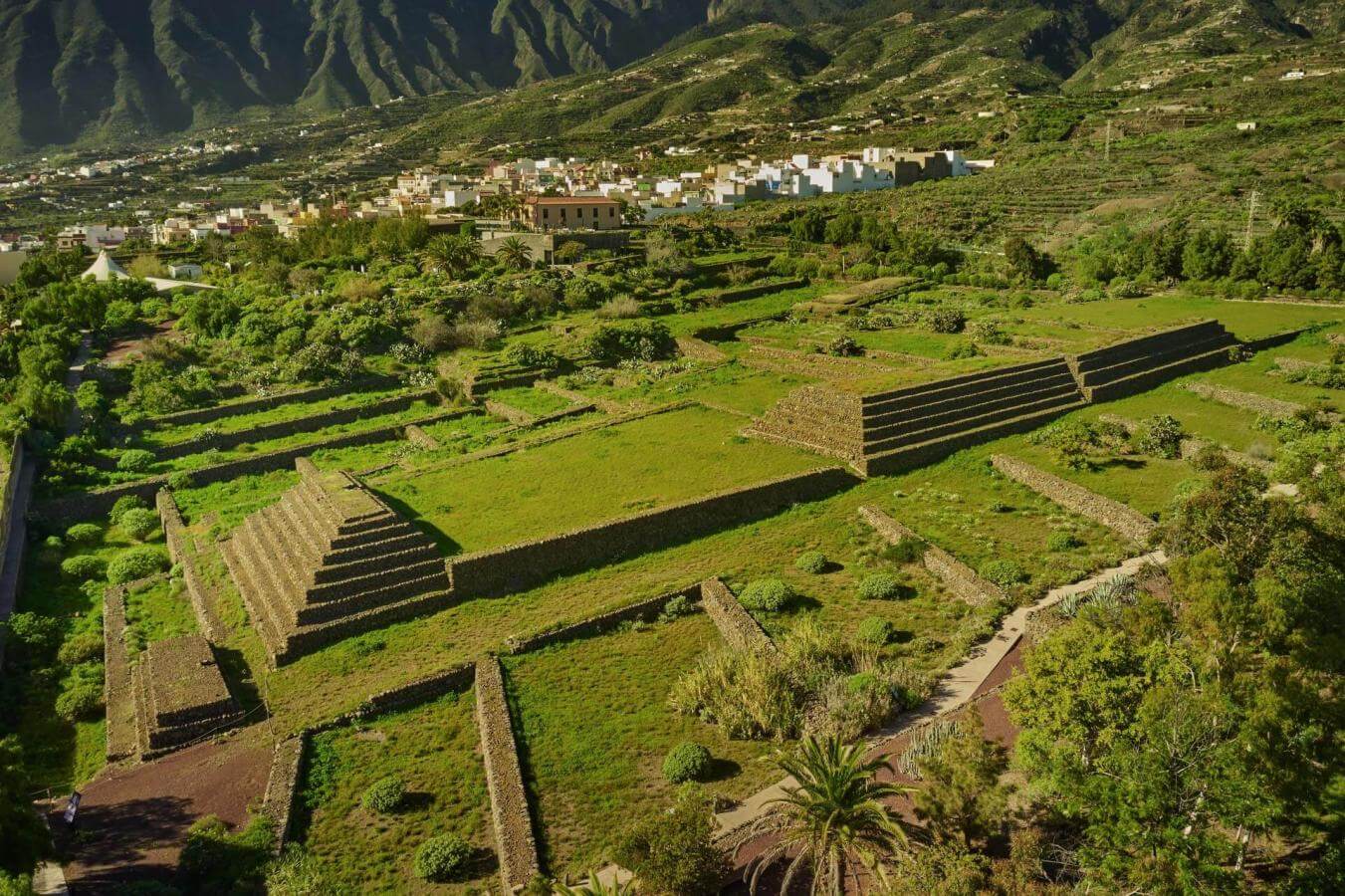
The Ethnographic Park Pyramids of Güímar, founded in 1998 by the researcher Thor Heyerdahl, preserves and studies the pyramids discovered in Güímar. Heyerdahl, famous for his research on ancient civilizations,
considered the pyramids as constructions related to ancient cultures, challenging conventional theories. Although some theories suggest that the pyramids could be agricultural mounds, archaeological and archaeoastronomical research supported Heyerdahl's hypothesis about their cultural origin. Another theory suggests that the pyramids might have been built in the 19th century. Regardless of their origin, the pyramids have significant cultural value and the park has been recognized as a Botanical Garden, offering exhibitions on Canary culture, history, botany, and nature in its vast garden areas.
Visitor and Interpretation Center of Mancha Blanca
Yaiza, Lanzarote
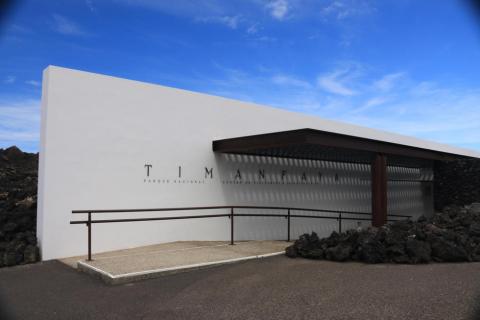
The aim of this exhibition is to bring the public closer to the volcanic phenomenon of Timanfaya, its fauna, flora, and coastline, allowing the acquired knowledge to help them later understand everything they observe during their visit to the Park.