La Palma Guide | Local and sustainable tourism
La Palma Guide: discovering La Isla Bonita through local eyes
La Palma is not an island to rush through. It is a place to walk, listen, taste and respect. Known as La Isla Bonita, it brings together ancient forests, young volcanic landscapes, protected skies, living villages and a way of life deeply connected to the land.
Why La Palma deserves a different kind of trip
La Palma is a UNESCO World Biosphere Reserve and one of the most distinctive destinations in the Canary Islands. Its value is not only scenic; it lies in the relationship between local people and their territory: agriculture, trails, crafts, fishing, astronomy, gastronomy and traditions that remain rooted in everyday life.
Travelling to La Palma can support a more balanced tourism model: fewer crowds, stronger links with the community and more opportunities for visitor spending to stay on the island.
Essential places to experience
- Caldera de Taburiente: the island's great natural heart. Perfect for hikers, geology lovers and travellers looking for genuine silence.
- Roque de los Muchachos: one of Europe's finest stargazing locations. By day, it offers extraordinary views; by night, it explains why La Palma protects its sky so carefully.
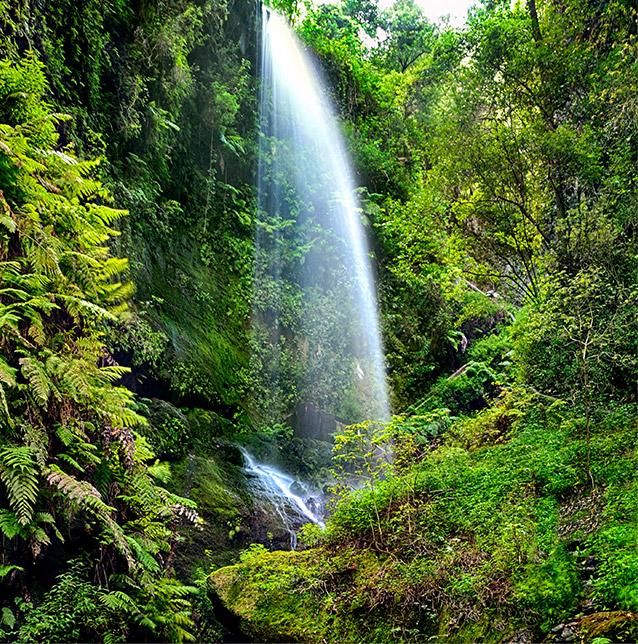
- Los Tilos: laurel forest, Atlantic humidity and green trails. An essential stop to understand the island's lush northern character.
- Ruta de los Volcanes: a demanding and unforgettable walk across the volcanic south, best enjoyed with preparation and respect for weather conditions.
- Santa Cruz de La Palma: balconies, historic houses, squares and a calm urban rhythm with real heritage character.
- Tazacorte, Puerto Naos and the west coast: sunsets, banana plantations, volcanic beaches and a coastal atmosphere shaped by the sea.
- Tajogaite Volcano and the Aridane Valley: a key area for understanding the island's recent transformation and supporting its recovery through sensitive tourism.
How to explore the island
The best way to experience La Palma is to combine driving, walking and slow visits to villages, farms and local businesses. The roads are spectacular but demanding, so it is better to plan by area rather than trying to cross the island too many times in one day.
Santa Cruz de La Palma is a good base for heritage and connections; Los Llanos de Aridane works well for the west; rural accommodation in places such as El Paso, Puntagorda, Garafía, Breña Alta, Mazo or San Andrés y Sauces offers a quieter, more local experience.
Local food: eating well also supports the island
La Palma is also discovered at the table. Look for family-run restaurants, farmers' markets, cheesemakers, wineries and small producers. Local flavours worth trying include queso palmero, papas arrugadas with mojo, gofio, stews, local fish, Canary bananas, almendrados and Príncipe Alberto.
Choosing local products is not just a nice gesture. It helps maintain the agricultural landscape, creates jobs and keeps the island's economy less dependent on outside tourism models.
Active tourism and nature
La Palma is made for walking. Its trail network reveals ravines, pine forests, volcanoes, coastlines and humid woodlands. Before heading out, check trail conditions, carry water, use sun protection, wear proper footwear and take warm clothing when visiting high-altitude areas.
The island also stands out for stargazing, diving, natural pools, cycling routes and guided nature experiences. Hiring local professionals improves safety and adds real depth to the visit.
A suggested 5-day itinerary
- Day 1: Santa Cruz de La Palma, historic centre, market, seafront walk and dinner based on local produce.
- Day 2: Los Tilos, San Andrés y Sauces, Charco Azul and a slow return along the north-eastern coast.
- Day 3: Caldera de Taburiente or a trail adapted to the traveller's fitness level, ending in El Paso or Los Llanos.
- Day 4: Tajogaite Volcano, Aridane Valley, Tazacorte and sunset on the west coast.
- Day 5: Roque de los Muchachos, northern viewpoints and a visit to local producers, wineries or artisans.
Tips for responsible travel
- Choose locally managed accommodation whenever possible.
- Spend money in markets, neighbourhood shops, wineries, farms and island businesses.
- Stay on marked trails and never enter restricted areas.
- Respect night-time quiet and dark-sky protection: darkness is part of the island's heritage.
- Reduce waste, carry a refillable bottle and leave no trace in natural spaces.
- Ask, listen and learn: La Palma is not a backdrop, it is a living community.
La Palma as a driver of local development
Well-managed tourism can be a future-building tool for La Palma. The goal is not growth at any cost, but a stronger and more diverse island economy: agriculture, culture, restaurants, shops, crafts, professional guides, rural accommodation, astronomy and nature-based activities.
Visiting La Palma consciously means taking part in that development: spreading spending across the island, staying longer, moving respectfully, valuing local work and understanding that the island's beauty depends on the people who care for it every day.